NEW Join or new Affiliate program, earn more shopping more!
Every batch is independently tested by Janoshik for quality and transparency.
High purity and accurate concentration.
High Purity
Accurate
No Harmful Additives
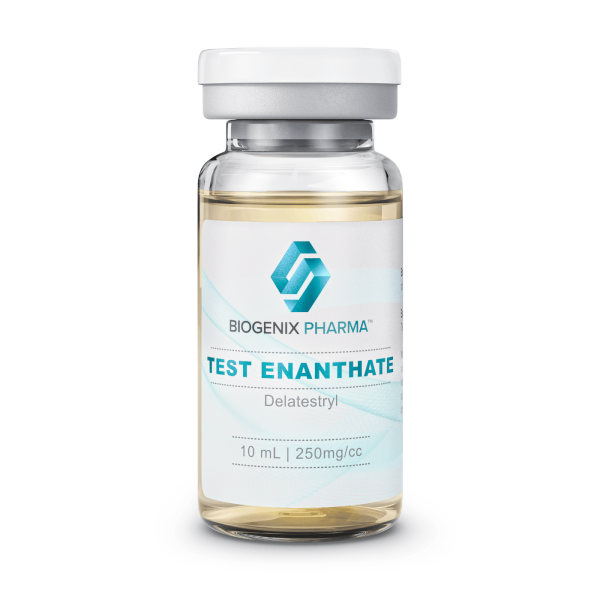
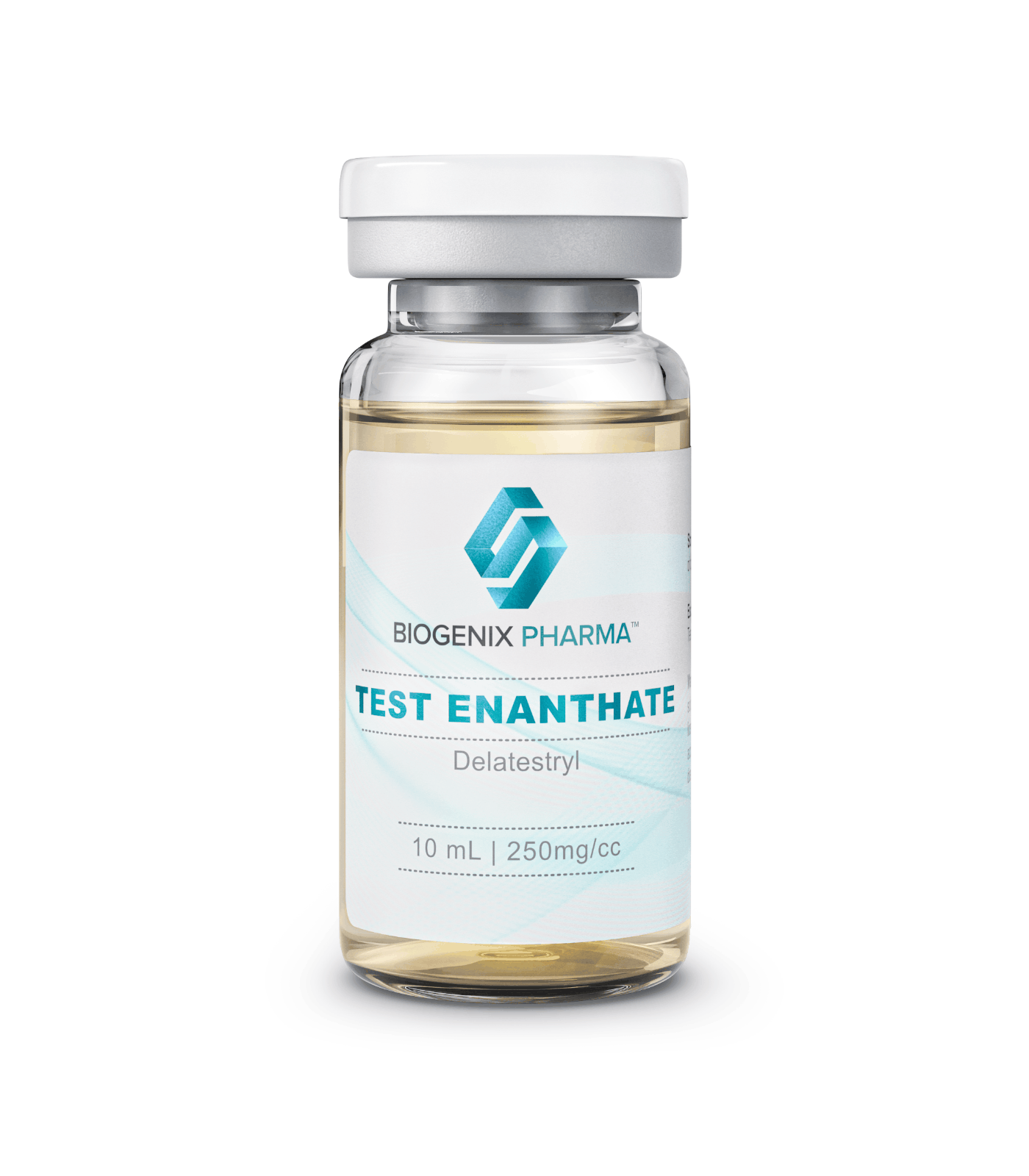
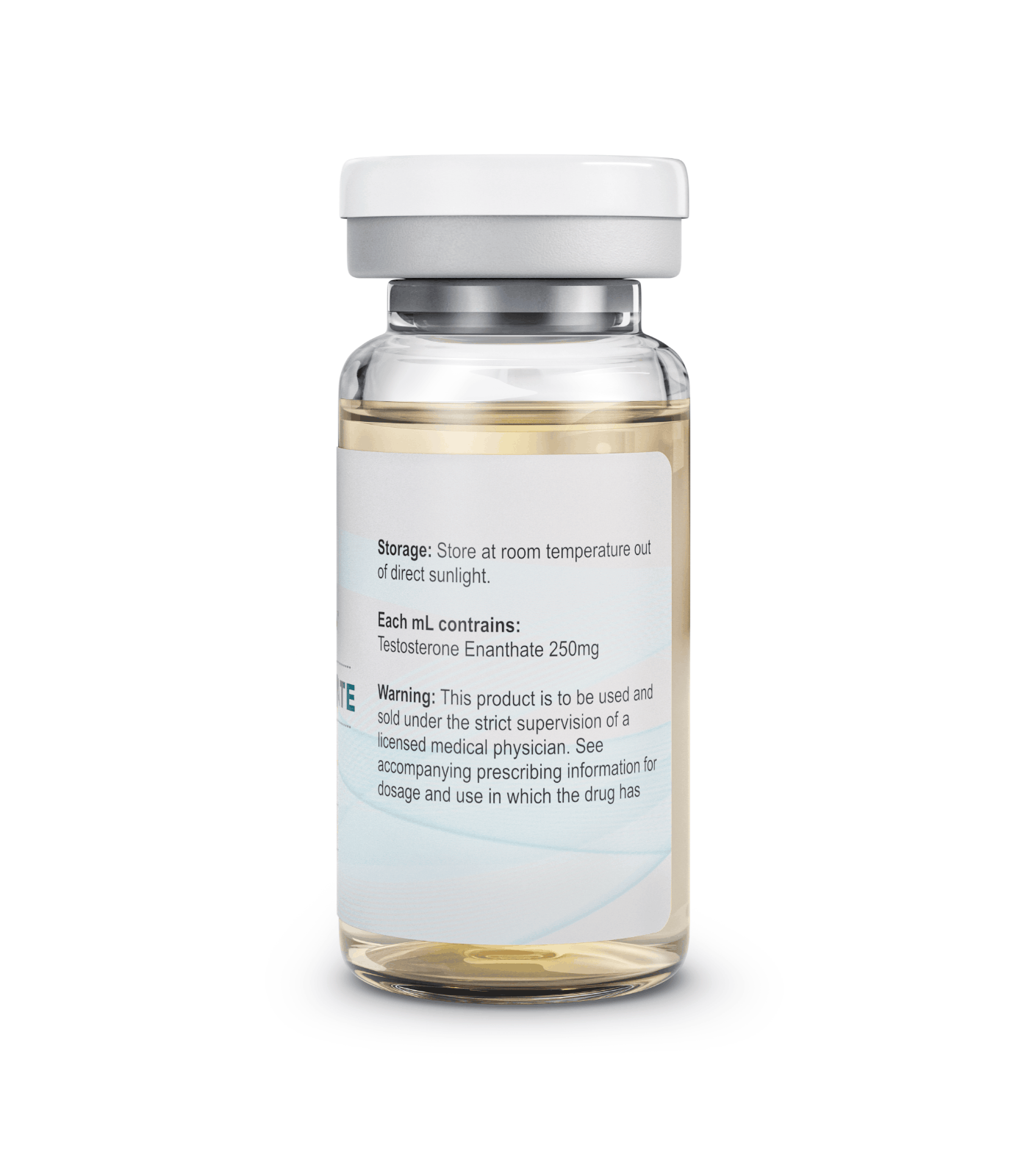
Test Enanthate
This product is currently sold out.
No worries! Enter your email, and we'll let you know as soon as it's back in stock.
Product Information
Testosterone Enanthate is a long-acting ester of testosterone, commonly used in hormone replacement therapy (HRT) and performance protocols. It supports increased muscle mass, strength, ecovery, and overall well-being when used as directed
Product Overview
Performance effects
Testosterone enanthate can increase muscle protein synthesis and support gains in lean mass and strength. The magnitude of these effects varies with dosage, duration, training, nutrition, and individual response.
Estrogen conversion and DHT
Testosterone can convert to estradiol through aromatase and to dihydrotestosterone (DHT) through 5-alpha-reductase. Potential effects include fluid retention, gynecomastia, acne, hair loss in susceptible individuals, and prostate-related symptoms.
Hormonal suppression
Exogenous testosterone suppresses the body’s natural testosterone production through feedback mechanisms involving the hypothalamus and pituitary gland. Suppression can also affect sperm production and fertility.
Recovery and maintenance
Natural testosterone production and reproductive function may take weeks to months to recover after discontinuation, and recovery is not guaranteed to follow a predictable timeline. Gains in muscle mass and strength may also decline after use ends. Testosterone enanthate can produce significant physiological effects. Its benefits and risks depend on the individual, exposure, and medical context. Clinical monitoring is important when testosterone is prescribed.
The central consideration is straightforward: potential performance benefits must be evaluated alongside hormonal suppression, cardiovascular risks, fertility effects, and other adverse outcomes.
Clinical Considerations
Testosterone is a prescription medication that should be used only under the supervision of a qualified healthcare professional. Non-medical use or unsupervised administration may increase the risk of serious adverse effects, including cardiovascular complications, hormonal suppression, infertility, and other health concerns.
Individual responses vary. Appropriate medical evaluation and laboratory monitoring are essential when testosterone therapy is prescribed. Do not initiate, discontinue, or modify treatment without consulting a qualified healthcare professional.
This information does not constitute a recommendation to use testosterone enanthate for performance enhancement or bodybuilding. Consult a healthcare professional to discuss individual risks, contraindications, and treatment options.
FAQ
At 250 mg/mL, more testosterone is dissolved than the carrier oil would normally hold at equilibrium. When temperatures drop below 20°C, solubility decreases and excess testosterone precipitates as needle-shaped crystals (FDA NDA 216318, 2023).
The standard Depo-Testosterone formulation uses cottonseed oil (560 mg) as the carrier and benzyl benzoate as a co-solvent at roughly 20% concentration (Pfizer, 2025). At 20%, there isn’t much margin against temperature drops. FDA review documents for NDA 216318 (Slayback Pharma) describe testing a formulation that increased benzyl benzoate to 30% and reduced cottonseed oil to 470 mg per mL, which eliminated visible crystals at 20°C during stability testing (FDA NDA 216318, 2023).
Testosterone cypionate’s eight-carbon ester chain makes it more prone to crystallization than enanthate (seven carbons). Clients who experience recurring crystallization may discuss switching to enanthate with their provider. The clinical profiles are similar between formulations, but carrier oil composition, half-life, and injection frequency all factor into the choice.
If a vial appears cloudy or contains visible crystals, warming it can redissolve the testosterone. A widely practiced method:
- Place the vial in a sealed plastic bag to keep water away from the rubber stopper.
- Submerge in warm water (100°F to 110°F) for at least 15 minutes.
- Swirl gently. Don’t shake aggressively.
- Keep submerged until the solution is completely clear.
Unopened vials typically carry a manufacturer-assigned shelf life of 24 to 36 months when stored properly. After expiration, potency may decline enough to affect treatment outcomes, and using expired medication is a decision best discussed with the prescribing provider. If routine blood work shows unexpectedly low levels, an expired or improperly stored vial is one variable to rule out.
Once punctured, the CDC’s Injection Safety guidelines recommend discarding multi-dose vials after 28 days regardless of remaining volume (CDC, 2024). Clients should write the date of first puncture directly on the label.
UV light can drive oxidation and hydrolysis in testosterone cypionate, both of which reduce active hormone concentration without obvious early visual changes.
Oxidation occurs when UV energy causes the A-ring of the steroid molecule to react with dissolved oxygen. Pharmaceutical stability testing has shown that UV exposure can degrade steroid potency in clear glass containers within weeks. Visible signs include the oil turning from pale amber to dark brown or greenish. Hydrolysis breaks the ester bond linking the cypionate chain to the testosterone molecule.