NEW Join or new Affiliate program, earn more shopping more!

Third-Party Testing Results
Every batch is independently tested by Janoshik for quality and transparency.
Powered by TESTIDES
VERIFIED
This batch has passed all tests.
High purity and accurate concentration.
Reports
Purity
High Purity
Identity
Confirmed
Concentration
Accurate
Compounds
No Harmful Additives
BPC-157
- This compound requires bacteriostatic water for reconstitution.
1. Choose your dosage
Select the strength that's right for you.
10mg
5mg
2. Bundle & Save
Save more when you buy more.
1 Vial
3 Vial
5 Vial
Out of stock
This product is currently sold out.
No worries! Enter your email, and we'll let you know as soon as it's back in stock.
Quantity
Total
$25 standard shipping across CanadaFree shipping on orders over $499
Quality & Transparency
Third-Party Testing Results
Every batch is independently tested by an accredited, third-party laboratory for purity, potency and safety.
Reports
Independent Lab Testing
Verified for purity and safety
Batch-Specific Reports
View COAs for every batch
Accredited Laboratories
Tested to industry standards
Full Transparency
Know what's in every lot
Product Information
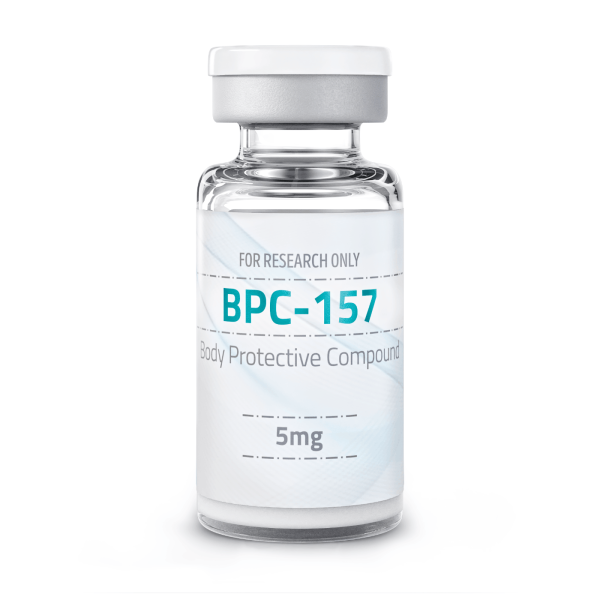
BPC-157 (Body Protection Compound-157) is a synthetic pentadecapeptide consisting of 15 amino acids. It was developed from research into protective peptides associated with gastric proteins and has been investigated for its potential cytoprotective, tissue-repair, and regenerative properties.
Compound
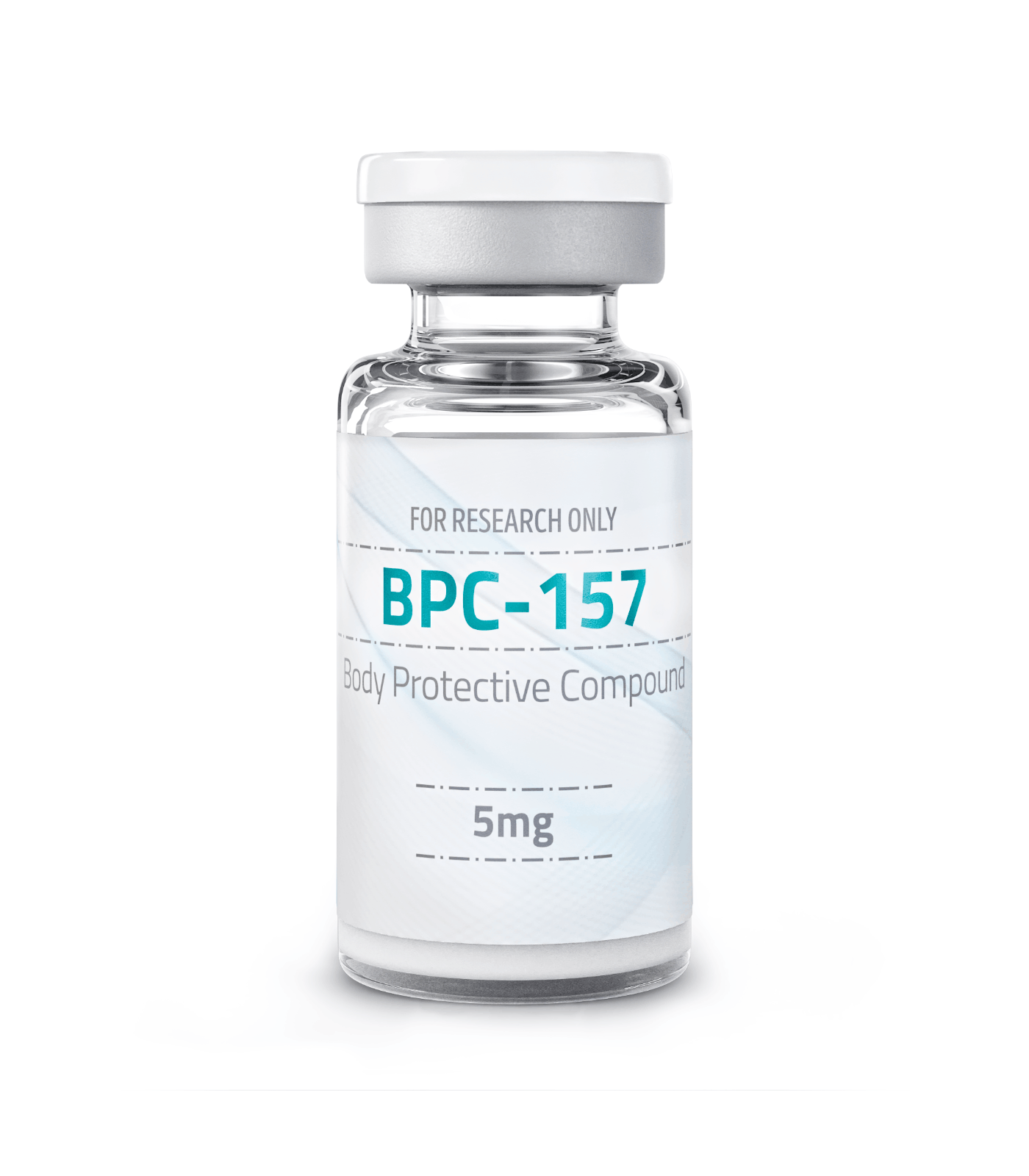
BPC-157
Dosage
5mg
Product Form
Lyophilized Powder Single Vial
Storage
Refrigerate After Reconstitution
Mechanism of Action
BPC-157 has attracted scientific interest because of preclinical findings involving gastrointestinal integrity, tendon and ligament healing, muscle injury, angiogenesis, and inflammatory signaling. Its proposed biological effects may involve multiple interconnected pathways associated with tissue maintenance and repair.
Despite extensive animal and laboratory research, BPC-157 remains an experimental compound. Its therapeutic efficacy, optimal dosing, pharmacokinetics, and safety profile have not been established through robust clinical trials in humans.
Proposed Mechanisms of Action
Angiogenesis and Vascular Signaling
Preclinical research suggests that BPC-157 may influence pathways associated with angiogenesis, the formation of new blood vessels. Experimental studies have investigated its relationship with vascular endothelial growth factor (VEGF) signaling and nitric oxide pathways. These mechanisms may be relevant to tissue perfusion and repair, but their clinical significance in humans remains uncertain.
Tendon, Ligament, and Muscle Repair
Animal studies have investigated BPC-157 in models of tendon injury, ligament damage, muscle trauma, and tendon-to-bone healing. Reported findings include changes in tissue organization and functional recovery. However, these observations cannot establish that BPC-157 accelerates musculoskeletal healing in humans.
Gastrointestinal Cytoprotection
BPC-157 was initially investigated in relation to gastrointestinal protection. Preclinical studies have examined its effects in experimental models of gastrointestinal injury, inflammation, and mucosal damage. Its potential relevance to intestinal barrier integrity and gastrointestinal tissue protection remains an area of investigation.
Inflammatory and Cellular Signaling
Experimental research suggests that BPC-157 may influence inflammatory mediators, oxidative stress responses, and cellular signaling pathways involved in tissue injury. The precise molecular targets and relative contribution of these pathways have not been fully characterized.
Extracellular Matrix and Tissue Remodeling
BPC-157 has been studied in experimental models involving connective-tissue repair and tissue remodeling. Although these findings have contributed to interest in regenerative medicine, there is insufficient clinical evidence to determine whether it produces meaningful improvements in human tissue regeneration.
Areas of Scientific Investigation
Musculoskeletal injuries: Experimental research involving tendons, ligaments, skeletal muscle, and tendon-to-bone healing.
Gastrointestinal health: Investigation of mucosal protection and experimental models of gastrointestinal injury.
Vascular biology: Research into angiogenesis, vascular signaling, and tissue perfusion.
Inflammatory responses: Investigation of cellular pathways associated with tissue damage and repair.
Wound healing: Preclinical studies examining tissue repair and remodeling.
Regenerative medicine: Exploration of potential applications in tissue recovery and repair.
These areas represent experimental research interests rather than established clinical indications.
Pharmacokinetic and Safety Considerations
BPC-157 remains investigational, and several important pharmacological characteristics have not been adequately established.
Pharmacokinetics: Human absorption, distribution, metabolism, clearance, and half-life have not been sufficiently characterized across proposed formulations and administration routes.
Dose-Response Relationship: No validated therapeutic dosing regimen has been established for routine human use. Animal research cannot reliably determine safe or effective human doses.
Immunogenicity: As a synthetic peptide, BPC-157 may carry risks of immune reactions, particularly depending on formulation, aggregation, and impurities. The magnitude of these risks in humans is unknown.
Product Quality: Identity, purity, stability, sterility, and endotoxin content are important considerations for peptide products. Unverified products may introduce additional risks unrelated to the peptide’s intended biological activity.
Long-Term Safety: Available human data are insufficient to determine the risks associated with repeated administration, prolonged exposure, or use in individuals with underlying medical conditions.
Shipping
We ship discreetly across Canada using tracked shipping.
- $25 standard shipping across Canada
- Free shipping on orders over $499
- Orders processed within 1–2 business days
- Tracking number provided via email
FAQ
Before reconstitution, this product is stable at room temperature for short periods, such as during shipping, but refrigeration is recommended for longer-term storage. After reconstitution, it must be refrigerated. Keep away from direct light. This product is stored refrigerated until it ships.
Peptides are made up of chains of amino acids, and some of those amino acids are hydrophobic — meaning they don’t interact well with water. When a peptide contains a high percentage of these hydrophobic residues, it tends to resist dissolving in water and will aggregate, or clump together. These clumps can then trap water, forming a gel-like or stringy texture rather than dissolving into a nice, smooth solution.
Other contributing factors include:
High peptide concentration – Crowding the solution can push molecules together.
pH and temperature – Solubility can vary depending on how acidic or warm the environment is.
Solvent selection – Some peptides do better with alternatives to bacteriostatic water, such as acetic acid or DMSO.
Reconstitution speed – Adding diluent too quickly can shock the peptide into clumping.
Even if the peptide isn’t highly hydrophobic, under the right (or wrong) circumstances, it can still temporarily behave this way.
While nearly any peptide can gel under the right conditions, some are well-known for their gelling tendencies. Here’s a list of the usual suspects:
AOD-9604
Probably the most infamous of all — AOD tends to form a thick, stringy gel if not handled carefully. This one is very hydrophobic and sensitive to temperature and concentration.
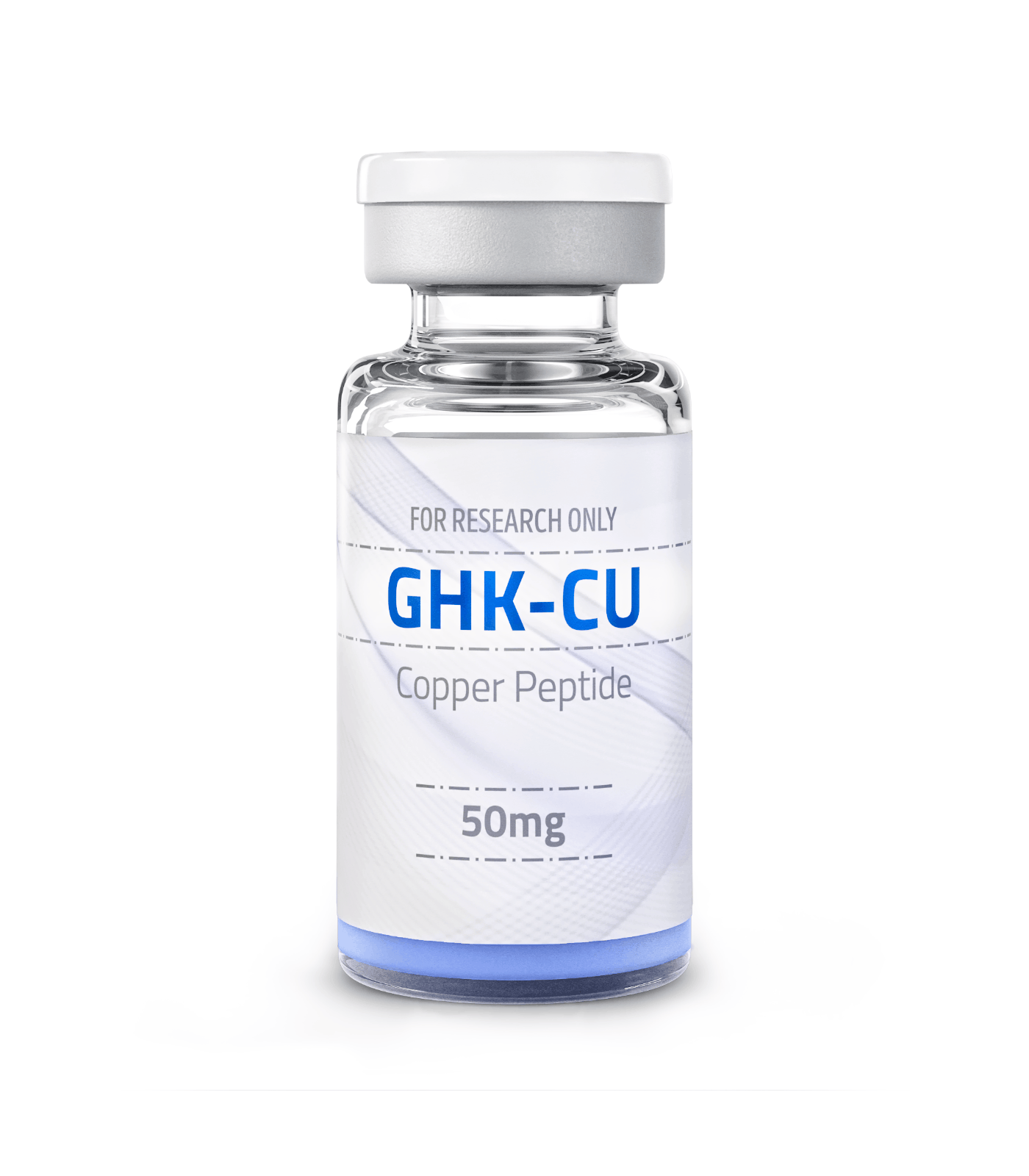
GHK-Cu
Copper-bound peptides like GHK-Cu can form gels or crystals depending on the solvent used and the ambient pH. Copper itself doesn’t help the solubility much.
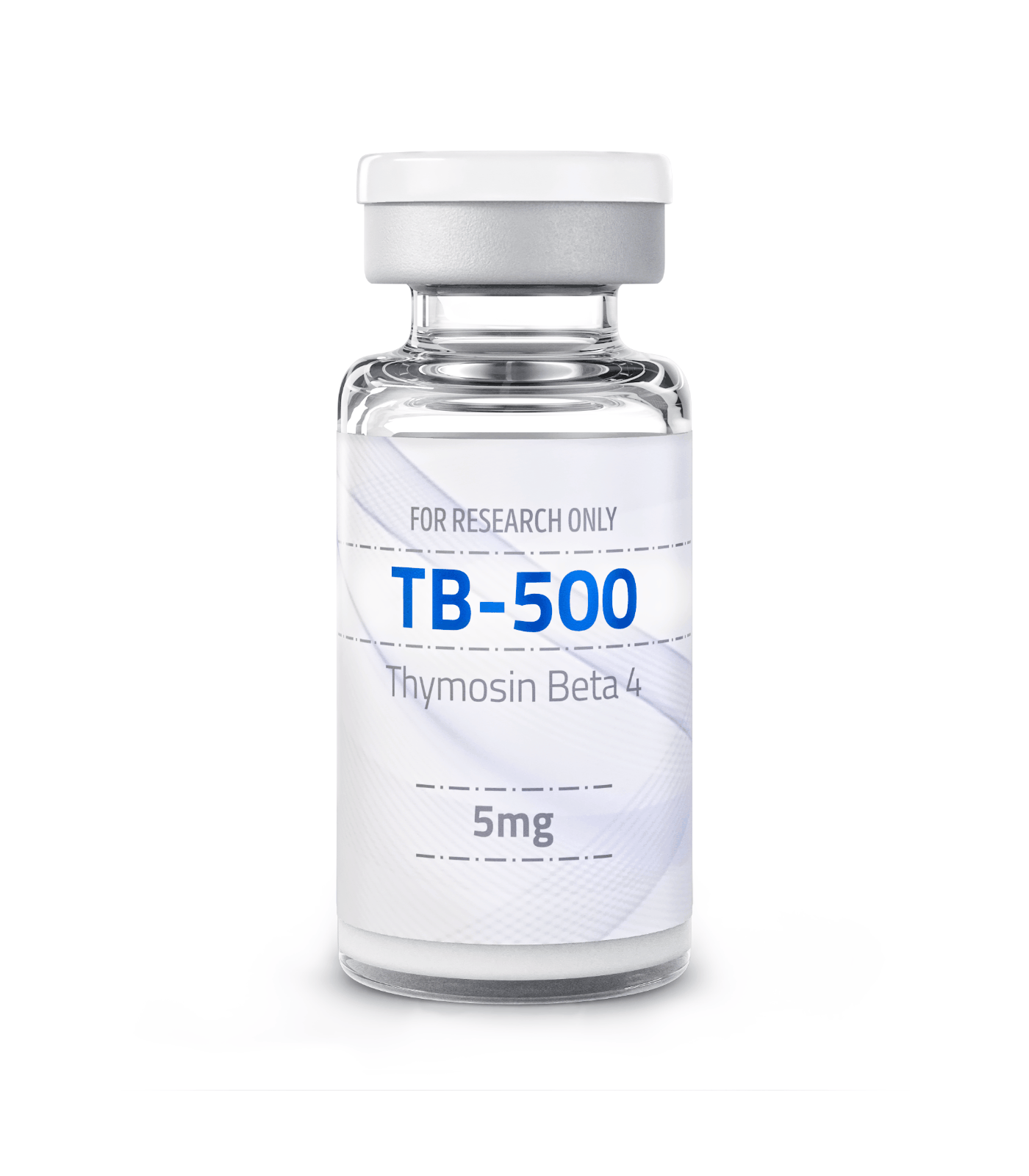
Thymosin Beta-4 (TB-500)
While this one often dissolves well at lower concentrations, it can develop a gel-like consistency if overdosed into a small volume of liquid.
Melanotan II
Known for being finicky, MT2 can clump or gel, especially if it’s cold when reconstituted or the water is added too quickly.
CJC-1295 (DAC and non-DAC)
This longer peptide sometimes forms viscous solutions, especially when not given time to dissolve fully. It benefits from warm temps and slow mixing.
BPC-157
BPC usually dissolves well, but under some conditions (like high concentration or cold storage), it may start to gel or form strands.
IGF-1 LR3
This is more rare, but at high concentrations or if pH is off, this growth factor can aggregate and become cloudy or sticky.
Epitalon
A short peptide, but still known to occasionally form light gels — especially if the reconstitution environment is less than ideal.
Selank / Semax Variants
These nootropic peptides are usually stable but have been reported to gel when compounded at higher concentrations or exposed to rapid temperature changes.
If you’re dealing with a gelling peptide, here are a few simple tips that can help bring it back into proper solution:
1. Warm the vial gently
Let the vial come to room temperature before reconstituting. If needed, place it in a warm (not hot!) water bath for a few minutes to loosen things up.
2. Add your solvent slowly
Instead of blasting bacteriostatic water into the vial, let it drip slowly down the side. This allows the peptide to dissolve gradually and reduces shock to the material.
3. Swirl, don’t shake
Shaking creates bubbles and doesn’t help dissolve aggregates. A gentle swirl or rolling the vial between your hands is more effective.
4. Let it sit
Sometimes the peptide just needs time. Let it rest after adding solvent, then check back in 10–15 minutes and gently swirl again.
5. Try an alternate solvent
If the peptide still doesn’t dissolve, small amounts of 0.6% acetic acid or even DMSO (for research use only) can help break up stubborn hydrophobic clumps.
6. Dilute further if needed
If you’re working with a very high concentration, it may be helpful to use a larger volume of solvent to encourage full dissolution.
Peptide gelling is not a quality issue, nor is it a manufacturing problem — it’s simply a result of biochemical properties interacting with water and environment. Hydrophobic sequences, high concentrations, or quick handling can all lead to temporary clumping or gel formation.
With a little patience and the right technique, almost all gelling issues can be reversed or avoided. If you work with these peptides regularly, getting familiar with their personalities — and knowing how to coax them into solution — will save you time and frustration.
So next time your peptide gels, just remember: it’s not broken — it’s just being dramatic.