NEW Join or new Affiliate program, earn more shopping more!

Third-Party Testing Results
Every batch is independently tested by Janoshik for quality and transparency.
Powered by TESTIDES
VERIFIED
This batch has passed all tests.
High purity and accurate concentration.
Reports
Purity
99.74% %
High Purity
Identity
Retratutide 22mg
Confirmed
Concentration
99.4% %
Accurate
Compounds
No Harmful Additives
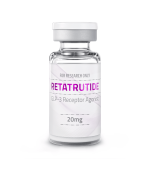
Retatrutide
- This compound requires bacteriostatic water for reconstitution.
1. Choose your dosage
Select the strength that's right for you.
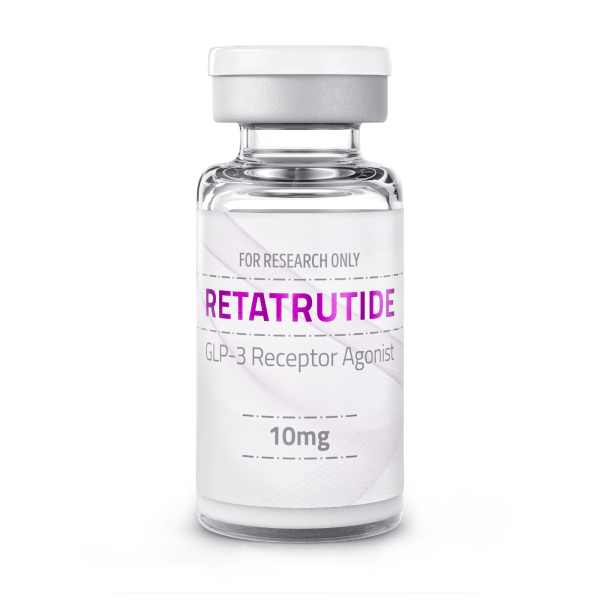
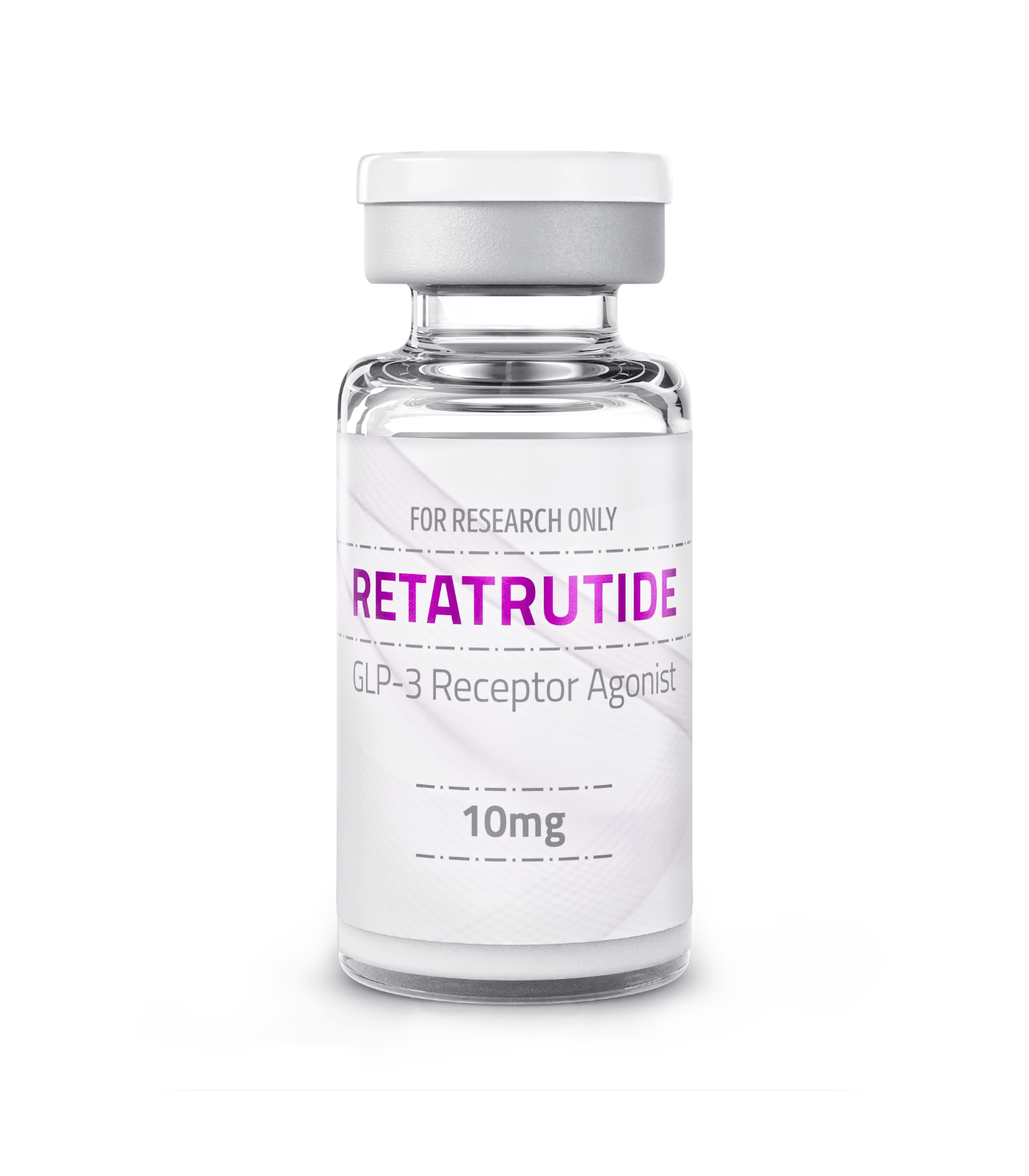
10mg
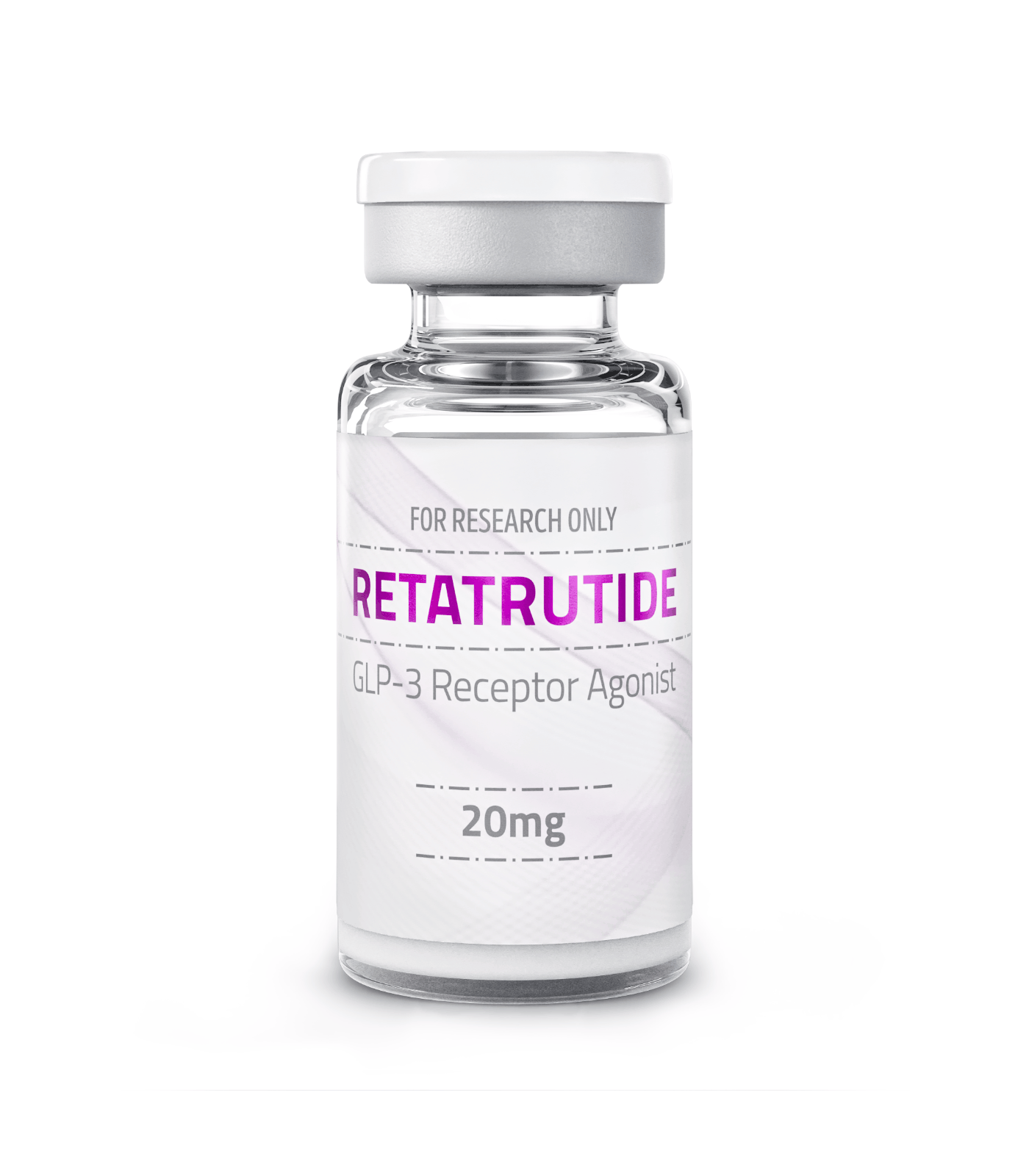
20mg
2. Bundle & Save
Save more when you buy more.
1 Vial
3 Vial
5 Vial
Out of stock
This product is currently sold out.
No worries! Enter your email, and we'll let you know as soon as it's back in stock.
Quantity
Total
$25 standard shipping across CanadaFree shipping on orders over $499
Quality & Transparency
Third-Party Testing Results
Every batch is independently tested by an accredited, third-party laboratory for purity, potency and safety.
Reports
Independent Lab Testing
Verified for purity and safety
Batch-Specific Reports
View COAs for every batch
Accredited Laboratories
Tested to industry standards
Full Transparency
Know what's in every lot
Product Information
Retatrutide is an investigational peptide-based therapeutic candidate designed to activate three hormone receptors involved in metabolic regulation: glucose-dependent insulinotropic polypeptide (GIP), glucagon-like peptide-1 (GLP-1) and glucagon.
Product
Retatrutide
Dosage
10mg
Product Form
Lyophilized Powder
Storage
Refrigerate After Reconstitution
Mechanism of Action
Three Receptors. One Molecule.
Retatrutide is designed to engage three complementary hormonal pathways. Each contributes a different element to the body’s regulation of appetite, blood glucose and energy metabolism.
Its triple-agonist mechanism distinguishes it from GLP-1-only medications and dual GIP/GLP-1 receptor agonists.
GLP-1 Receptor Activity
GLP-1 is an incretin hormone involved in blood glucose regulation, appetite signalling and digestive function.
Activation of the GLP-1 receptor can enhance glucose-dependent insulin secretion, reduce inappropriate glucagon release when blood glucose is elevated, delay gastric emptying and influence satiety.
These effects form an important part of the scientific rationale behind incretin-based metabolic therapies.
GIP Receptor Activity
GIP is another incretin hormone released in response to nutrient intake. It contributes to glucose-dependent insulin secretion and interacts with pathways involved in energy balance.
Retatrutide’s GIP receptor activity adds a second incretin pathway to its mechanism, creating a broader pharmacological profile than GLP-1 receptor activation alone.
Glucagon Receptor Activity
The glucagon pathway plays a central role in energy metabolism, including the regulation of glucose production and energy expenditure.
Retatrutide’s activity at the glucagon receptor is a defining feature of its triple-agonist design. Researchers are studying how this pathway interacts with GIP and GLP-1 receptor activity to influence body weight and metabolic outcomes.
The combined effects are complex. Glucagon receptor activation can affect glucose metabolism as well as energy expenditure, and its overall clinical impact depends on the interaction of all three pathways.
Areas of Clinical Research
Body-Weight Regulation
Retatrutide is being investigated for its potential role in treating obesity and overweight accompanied by weight-related medical conditions.
Clinical trials have reported substantial average reductions in body weight among study participants. However, results from controlled trials do not guarantee a similar outcome for any individual, and the long-term benefit-risk profile continues to be evaluated.
Glycemic Control
Researchers are also evaluating retatrutide in adults with type 2 diabetes.
Its combined incretin activity may influence insulin secretion, glucagon regulation and blood glucose levels. Clinical trials are assessing changes in glycated haemoglobin (HbA1c), body weight and other measures of metabolic health.
How Retatrutide Differs From Other Incretin-Based Compounds
| Compound | Primary receptor targets |
|---|---|
| Semaglutide | GLP-1 |
| Tirzepatide | GIP and GLP-1 |
| Retatrutide | GIP, GLP-1 and glucagon |
Retatrutide’s defining distinction is its activity across three receptor systems. This creates a different pharmacological profile, but a greater number of targets does not automatically establish superior safety or effectiveness.
Comparisons should be based on appropriately designed clinical trials, with consideration of study populations, treatment duration, adverse effects and regulatory status.
FAQ
Before reconstitution, this product is stable at room temperature for short periods, such as during shipping, but refrigeration is recommended for longer-term storage. After reconstitution, it must be refrigerated. Keep away from direct light. This product is stored refrigerated until it ships.
Peptides are made up of chains of amino acids, and some of those amino acids are hydrophobic — meaning they don’t interact well with water. When a peptide contains a high percentage of these hydrophobic residues, it tends to resist dissolving in water and will aggregate, or clump together. These clumps can then trap water, forming a gel-like or stringy texture rather than dissolving into a nice, smooth solution.
Other contributing factors include:
High peptide concentration – Crowding the solution can push molecules together.
pH and temperature – Solubility can vary depending on how acidic or warm the environment is.
Solvent selection – Some peptides do better with alternatives to bacteriostatic water, such as acetic acid or DMSO.
Reconstitution speed – Adding diluent too quickly can shock the peptide into clumping.
Even if the peptide isn’t highly hydrophobic, under the right (or wrong) circumstances, it can still temporarily behave this way.
While nearly any peptide can gel under the right conditions, some are well-known for their gelling tendencies. Here’s a list of the usual suspects:
AOD-9604
Probably the most infamous of all — AOD tends to form a thick, stringy gel if not handled carefully. This one is very hydrophobic and sensitive to temperature and concentration.
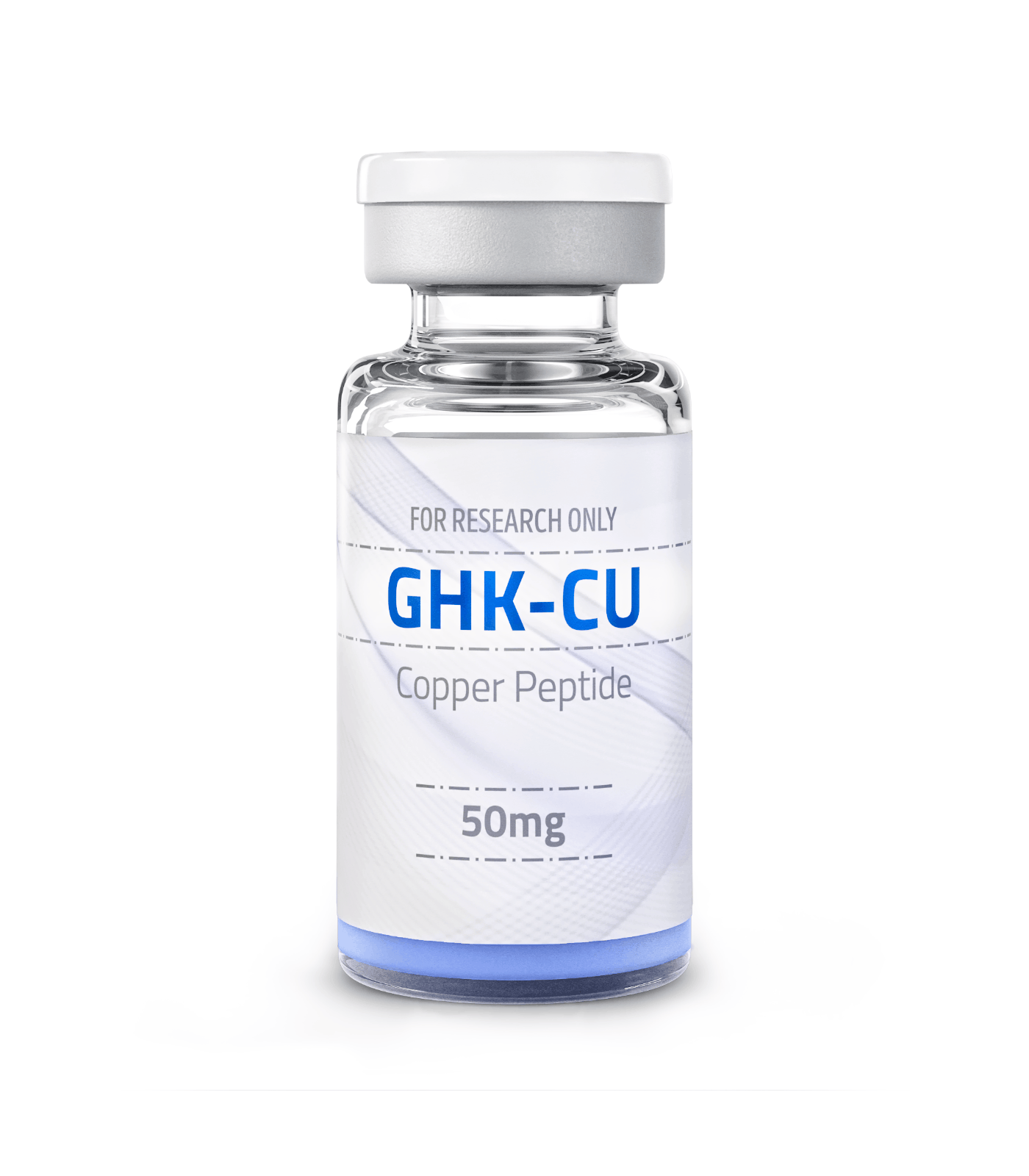
GHK-Cu
Copper-bound peptides like GHK-Cu can form gels or crystals depending on the solvent used and the ambient pH. Copper itself doesn’t help the solubility much.
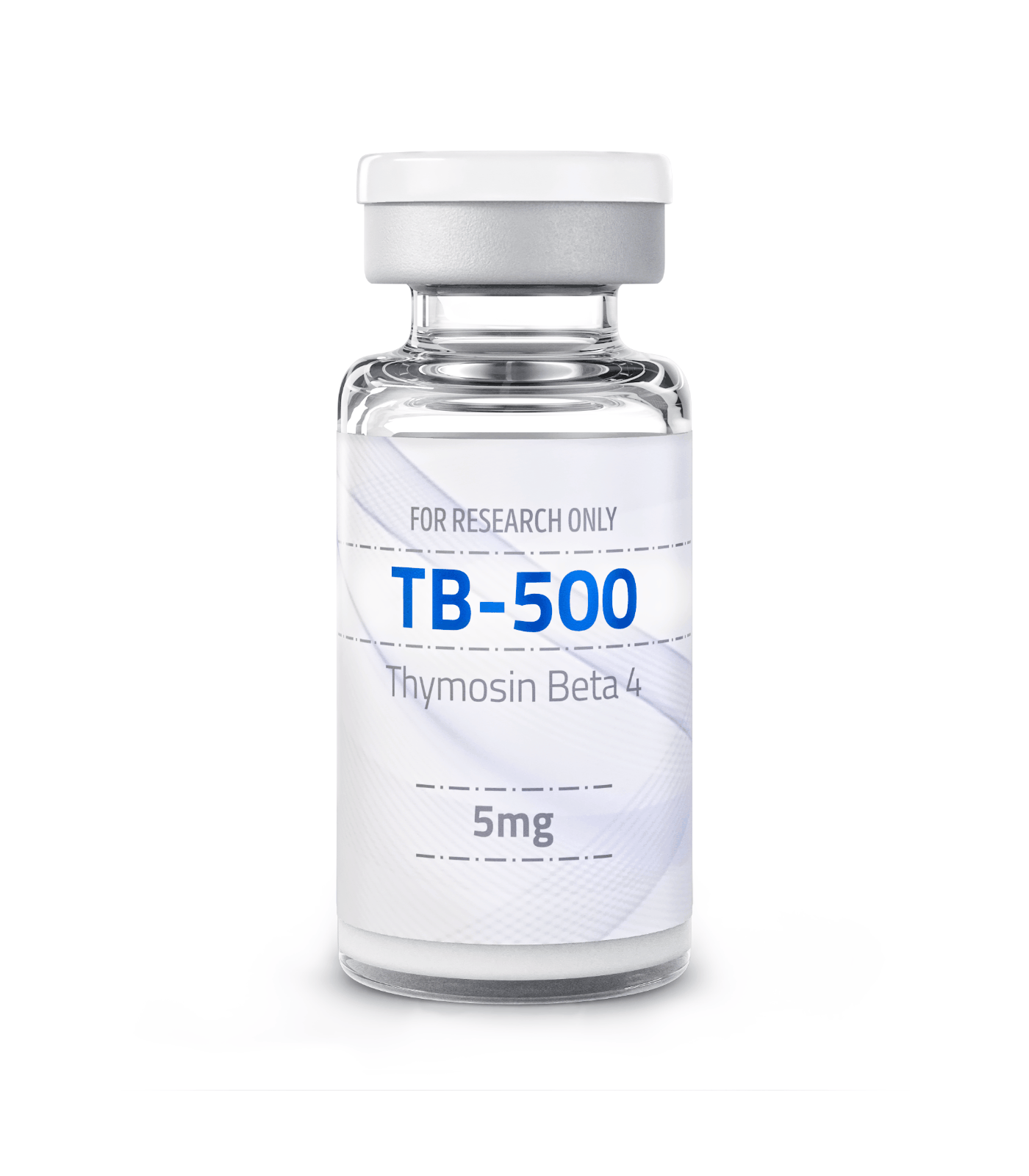
Thymosin Beta-4 (TB-500)
While this one often dissolves well at lower concentrations, it can develop a gel-like consistency if overdosed into a small volume of liquid.
Melanotan II
Known for being finicky, MT2 can clump or gel, especially if it’s cold when reconstituted or the water is added too quickly.
CJC-1295 (DAC and non-DAC)
This longer peptide sometimes forms viscous solutions, especially when not given time to dissolve fully. It benefits from warm temps and slow mixing.
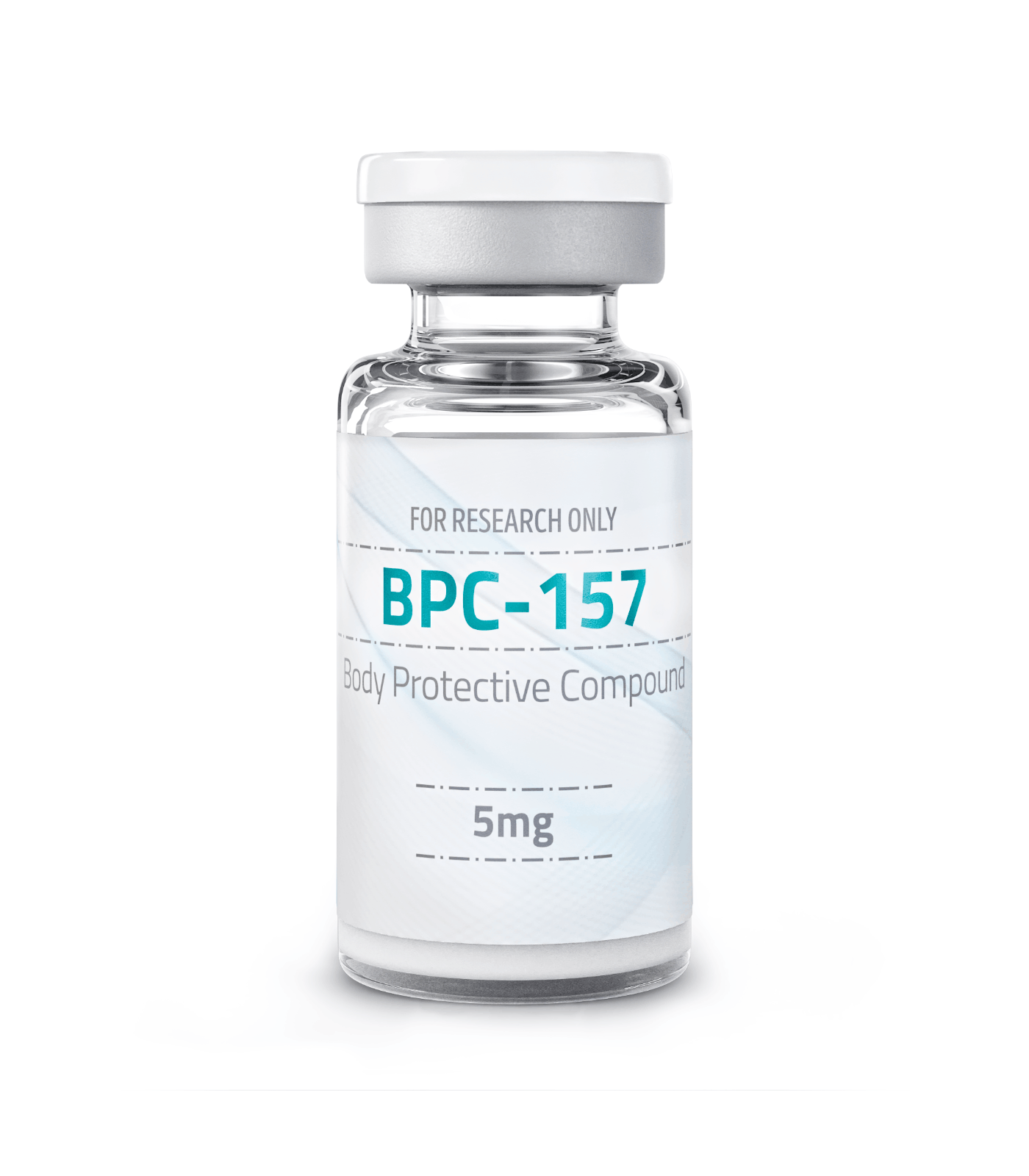
BPC-157
BPC usually dissolves well, but under some conditions (like high concentration or cold storage), it may start to gel or form strands.
IGF-1 LR3
This is more rare, but at high concentrations or if pH is off, this growth factor can aggregate and become cloudy or sticky.
Epitalon
A short peptide, but still known to occasionally form light gels — especially if the reconstitution environment is less than ideal.
Selank / Semax Variants
These nootropic peptides are usually stable but have been reported to gel when compounded at higher concentrations or exposed to rapid temperature changes.
If you’re dealing with a gelling peptide, here are a few simple tips that can help bring it back into proper solution:
1. Warm the vial gently
Let the vial come to room temperature before reconstituting. If needed, place it in a warm (not hot!) water bath for a few minutes to loosen things up.
2. Add your solvent slowly
Instead of blasting bacteriostatic water into the vial, let it drip slowly down the side. This allows the peptide to dissolve gradually and reduces shock to the material.
3. Swirl, don’t shake
Shaking creates bubbles and doesn’t help dissolve aggregates. A gentle swirl or rolling the vial between your hands is more effective.
4. Let it sit
Sometimes the peptide just needs time. Let it rest after adding solvent, then check back in 10–15 minutes and gently swirl again.
5. Try an alternate solvent
If the peptide still doesn’t dissolve, small amounts of 0.6% acetic acid or even DMSO (for research use only) can help break up stubborn hydrophobic clumps.
6. Dilute further if needed
If you’re working with a very high concentration, it may be helpful to use a larger volume of solvent to encourage full dissolution.
Peptide gelling is not a quality issue, nor is it a manufacturing problem — it’s simply a result of biochemical properties interacting with water and environment. Hydrophobic sequences, high concentrations, or quick handling can all lead to temporary clumping or gel formation.
With a little patience and the right technique, almost all gelling issues can be reversed or avoided. If you work with these peptides regularly, getting familiar with their personalities — and knowing how to coax them into solution — will save you time and frustration.
So next time your peptide gels, just remember: it’s not broken — it’s just being dramatic.